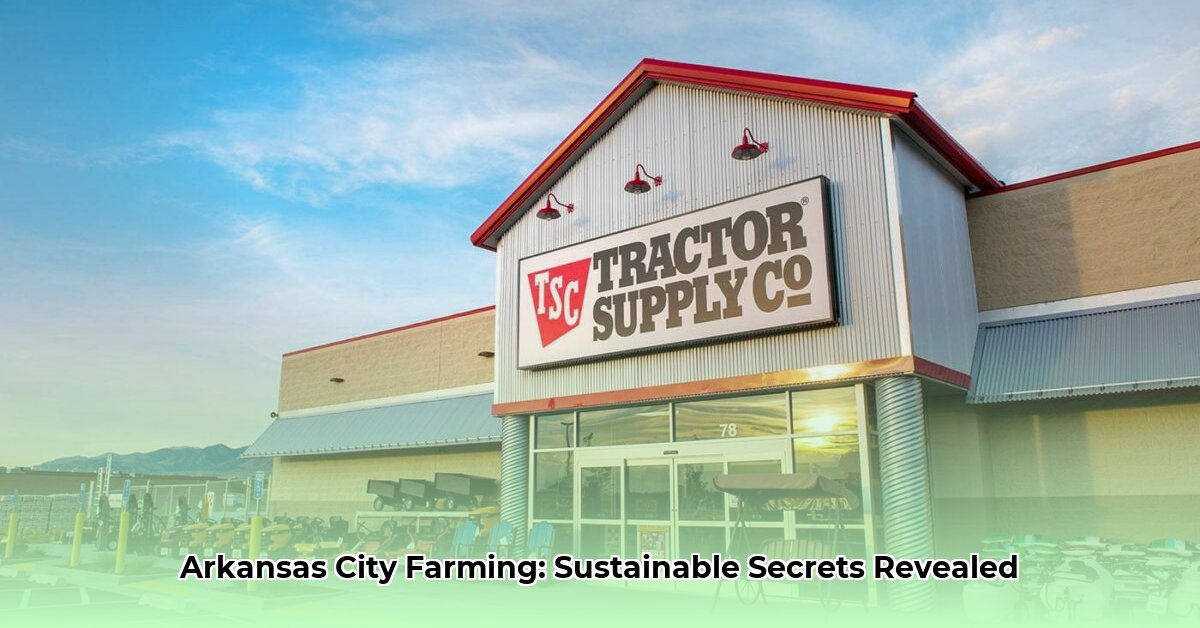
Tractor Supply's Role in Arkansas City's Sustainable Agriculture Journey
Tractor Supply Company (TSC) is a ubiquitous presence in rural America, including Arkansas City, Kansas. But beyond providing everyday farming necessities, its impact on local sustainable agriculture practices is surprisingly nuanced. This article examines how TSC's product offerings, both positive and negative, influence the environmental and economic sustainability of farming in the region. We explore whether TSC acts as a true partner in building a greener future or simply a convenient supplier of agricultural goods. Is it truly a force for good in sustainable farming, or a mixed bag of opportunities and challenges? For more on TSC in Kansas, check out this Hutchinson store.
TSC's Arkansas City Store: A Diverse Range of Supplies
The Arkansas City TSC store offers much more than just tractors. Alongside work boots and fencing, you'll find organic seeds, essential for promoting biodiversity and soil health, cornerstones of sustainable farming. Water-efficient irrigation systems—crucial in Kansas' often-arid climate—are also readily available. Various livestock feeds are prominently displayed, although the sourcing and production methods remain a point of scrutiny. Even pest control solutions are offered, highlighting a potential area of concern requiring careful consideration of ecological impact.
"The accessibility of TSC is invaluable," says Sarah Miller, owner of Miller Family Farms in Arkansas City. "Finding specialized fencing for rotational grazing, a key aspect of regenerative agriculture, used to be a major hassle. Now, it's just a quick trip down the road." Miller's statement underscores the positive role TSC plays in facilitating sustainable practices through convenient access to necessary supplies. However, the need for greater transparency and more robust support systems remains.
A Double-Edged Plow: Analyzing TSC's Influence
TSC's influence is neither entirely positive nor wholly negative. It's a complicated interplay of benefits and limitations. Given its broad influence in the agricultural sector, how is TSC impacting sustainability?
Pros:
- Enhanced Accessibility: TSC's widespread presence significantly improves rural farmers' access to essential supplies, particularly those running smaller operations. This convenient access is vital, negating the need for extensive travel.
- Product Diversity: The store stocks items directly supporting eco-friendly farming. Organic seeds and water-saving irrigation systems are examples of TSC's potential contribution to sustainable agriculture.
- Educational Potential: Knowledgeable staff can guide farmers towards informed, more sustainable choices. However, the quality of this guidance hinges on robust training and awareness of sustainable farming methodologies.
Cons:
- Supply Chain Transparency: A significant challenge lies in the lack of transparency within TSC's supply chain. Information on feed sourcing, packaging environmental impact, and production processes remains largely obscure, making it tough to assess the overall environmental footprint.
- Potential for Unsustainable Practices: Certain products may unintentionally promote unsustainable practices. Some pest control options, while effective, can negatively impact local ecosystems. A move toward integrated pest management strategies would be beneficial.
- Limited Organic Focus: While organic options are available, a more significant expansion of organic product lines would strengthen TSC's commitment to environmentally responsible agriculture.
Challenges and Opportunities: Toward a Greener Future
TSC's role isn't just about the goods offered; it's about promoting sustainable practices across the supply chain. This requires greater supply chain transparency, particularly regarding the sourcing and production of feed and other consumables.
- Strategic Partnerships: Collaborating with local organic farmers would provide TSC with unique, sustainable products, strengthening connections between producers and consumers while expanding the range of environmentally-friendly options.
- Educational Initiatives: Workshops, seminars, or educational programs on sustainable agriculture would empower farmers to adopt improved practices.
- Governmental Incentives: Government incentives for retailers offering sustainable products could encourage TSC to expand its eco-friendly offerings and actively support local sustainable farming initiatives. How can government policy better incentivize private businesses to participate in sustainable practices?
Conclusion: A Collaborative Harvest
The future of sustainable farming in Arkansas City hinges on the collective commitment of farmers, businesses, consumers, and government. TSC can be a significant contributor but needs to proactively address its challenges and leverage the opportunities for growth. By working together, we can nurture a healthier, more sustainable future for agriculture in Arkansas City and beyond.